Join Us in Supporting Southeast Asian Children’s Education
Education is a fundamental right, yet millions of children in Southeast Asia face barriers that prevent them from accessing quality schooling. The challenges are numerous, ranging from poverty and lack of resources to geographical isolation and inadequate infrastructure. In this blog post, we will explore the importance of supporting education in Southeast Asia, the challenges these children face, and how you can make a difference.
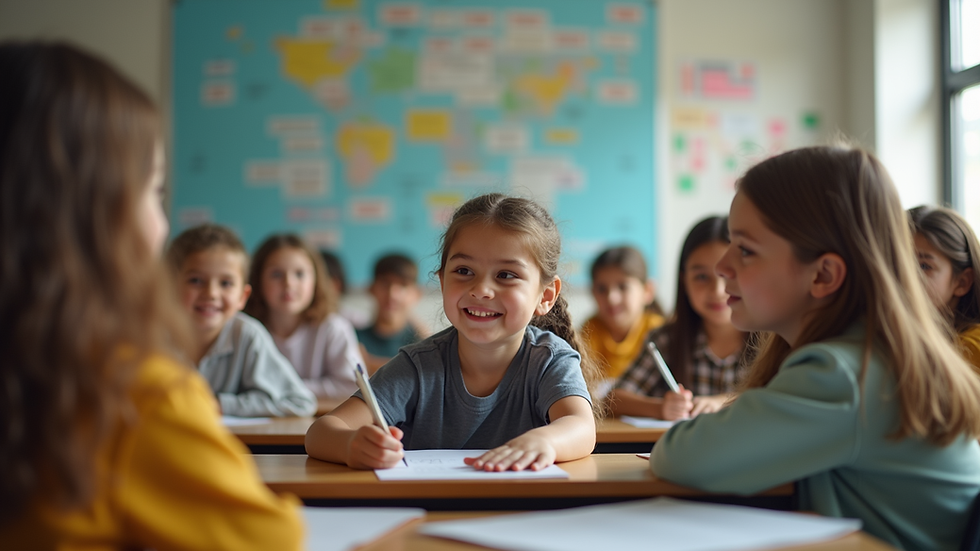
The Importance of Education
Education is not just about acquiring knowledge; it is a powerful tool that can transform lives and communities. Here are some key reasons why education is crucial:
Empowerment: Education empowers individuals, giving them the skills and knowledge needed to improve their circumstances. It opens doors to better job opportunities and higher income potential.
Health Benefits: Educated individuals tend to make better health choices, leading to improved health outcomes for themselves and their families. This is particularly important in regions where healthcare access is limited.
Economic Growth: A well-educated population contributes to economic development. Countries with higher literacy rates often experience faster economic growth and improved living standards.
Social Stability: Education promotes social cohesion and stability. It helps reduce crime rates and fosters a sense of community and belonging.
Challenges Facing Southeast Asian Children
Despite the importance of education, many children in Southeast Asia face significant obstacles. Here are some of the most pressing challenges:
Poverty
Poverty is one of the primary barriers to education in Southeast Asia. Families living in poverty often struggle to afford school fees, uniforms, and supplies. As a result, many children are forced to drop out of school to help support their families.
Geographical Barriers
In rural areas, geographical isolation can make it difficult for children to access schools. Long distances, poor transportation, and lack of infrastructure can prevent children from attending classes regularly.
Quality of Education
Even when children can attend school, the quality of education may be subpar. Many schools lack qualified teachers, proper facilities, and essential learning materials. This can lead to high dropout rates and low educational attainment.
Cultural Factors
In some communities, cultural norms may prioritize work over education, especially for girls. This can limit their opportunities and perpetuate cycles of poverty and inequality.
How You Can Make a Difference
Supporting education in Southeast Asia is a collective effort that requires the involvement of individuals, organizations, and governments. Here are some ways you can contribute:
Donate to Educational Programs
Consider donating to organizations that focus on improving education in Southeast Asia. Your contributions can help provide resources, training, and support to schools and communities in need.
Volunteer Your Time
If you have the opportunity, consider volunteering your time to teach or mentor children in Southeast Asia. Your skills and knowledge can make a significant impact on their lives.
Advocate for Education
Raise awareness about the challenges facing children in Southeast Asia. Use your voice to advocate for policies that support education and promote equal opportunities for all children.
Support Local Initiatives
Look for local initiatives that focus on education in Southeast Asia. Supporting grassroots organizations can have a direct impact on the communities they serve.
Success Stories
While the challenges are significant, there are also inspiring success stories that demonstrate the power of education. Here are a few examples:
The Story of a Young Girl in Cambodia
In Cambodia, a young girl named Srey was able to attend school thanks to a local scholarship program. Despite her family's financial struggles, Srey excelled in her studies and eventually received a scholarship to a university. Today, she is a teacher, inspiring the next generation of students in her community.
A Community Initiative in Vietnam
In Vietnam, a community initiative focused on building schools in rural areas has transformed the educational landscape. With the support of local and international donors, children who once walked miles to attend school now have access to quality education in their own villages.
The Role of Technology in Education
Technology has the potential to bridge the gap in education, especially in remote areas. Here are some ways technology is making a difference:
Online Learning Platforms
Online learning platforms can provide access to quality educational resources, even in areas with limited infrastructure. These platforms offer courses, tutorials, and materials that can supplement traditional education.
Mobile Learning
Mobile technology allows students to access educational content on their smartphones. This is particularly beneficial in regions where internet access is limited, as many children have access to mobile devices.
Teacher Training
Technology can also be used to train teachers, providing them with the skills and resources needed to improve their teaching methods. Online training programs can reach teachers in remote areas, enhancing the overall quality of education.
The Future of Education in Southeast Asia
The future of education in Southeast Asia holds promise, but it requires continued support and investment. Here are some key areas to focus on:
Increased Funding
Governments and organizations must prioritize education funding to ensure that all children have access to quality schooling. This includes investing in infrastructure, teacher training, and educational resources.
Community Engagement
Engaging communities in the education process is essential. Parents, local leaders, and organizations should work together to create a supportive environment for children’s education.
Policy Reform
Advocating for policy reforms that prioritize education can lead to systemic changes. This includes addressing issues such as school fees, teacher salaries, and curriculum development.
Conclusion
Education is a powerful tool that can change lives and communities. By supporting education in Southeast Asia, we can help break the cycle of poverty and empower future generations. Whether through donations, volunteering, or advocacy, every effort counts. Join us in making a difference in the lives of Southeast Asian children and help pave the way for a brighter future.
Together, we can ensure that every child has the opportunity to learn, grow, and succeed.


Comments